
Thyroidectomy Surgery in Iran
Thyroidectomy Surgery in Iran
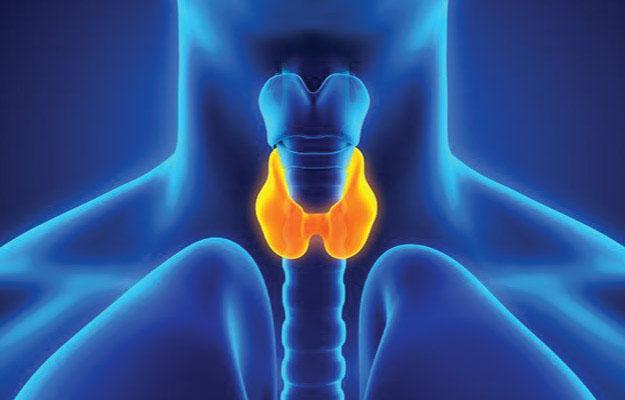
Types of Thyroidectomy
The extent of thyroid surgery depends on the underlying condition and the amount of thyroid tissue that needs to be removed.
-
Thyroid Lobectomy (Hemithyroidectomy): One lobe of the thyroid is removed. This approach may be suitable for selected thyroid nodules or certain small, low-risk cancers limited to one side of the gland.
-
Total Thyroidectomy: The entire thyroid gland is removed. It may be recommended for certain thyroid cancers, extensive or bilateral thyroid disease, and selected cases of large goiter or hyperthyroidism.
-
Completion Thyroidectomy: In some cases, a second operation may be recommended to remove the remaining thyroid tissue after an initial lobectomy, depending on the final pathology and the patient’s treatment plan.
Common Reasons for Thyroidectomy in Iran
Thyroid surgery may be recommended for several different thyroid conditions. The extent of surgery depends on the diagnosis, the size and location of the thyroid abnormality, and the patient’s overall condition:
-
Thyroid Cancer: Depending on the type, size, and extent of the cancer, surgery may involve removal of part or all of the thyroid gland
-
Large Goiter: An enlarged thyroid gland (Goiter) may cause pressure or discomfort in the neck and, in some cases, difficulty swallowing or breathing.
-
Suspicious or Large Nodules: Thyroid nodules with suspicious features, significant growth, or other concerning findings may require surgical removal.
-
Hyperthyroidism: Surgery may be considered when an overactive thyroid cannot be adequately controlled with medication or when other treatment options are unsuitable.
Diagnosis of Thyroid Diseases
Thyroid disorders can present with symptoms such as fatigue, changes in weight, dry skin, constipation, or an increased sensitivity to heat or cold. However, symptoms alone cannot determine the underlying thyroid condition. Doctors may use a combination of blood tests, imaging, and, when necessary, tissue sampling to establish a diagnosis:
-
Blood tests: Tests such as TSH and thyroid hormone measurements help determine whether the thyroid is overactive or underactive. Additional blood tests, including thyroid antibody tests, may be recommended when an autoimmune thyroid disorder is suspected.
-
Imaging: Thyroid ultrasound is commonly used to assess the size and appearance of the gland and to evaluate thyroid nodules. Depending on the suspected condition, a thyroid scan or radioactive iodine uptake test may also be used, particularly when evaluating hyperthyroidism.
-
Fine-needle aspiration (FNA) Biopsy: When a thyroid nodule has suspicious features or requires further evaluation, the doctor may recommend FNA biopsy. During the procedure, a thin needle is used to collect cells from the nodule, often with ultrasound guidance, so they can be examined for benign or malignant features.
Preparing for Thyroidectomy
Before thyroidectomy, the medical team reviews the patient’s diagnosis, medical history, medications, and previous test results. Depending on the case, preparation may include thyroid function tests, blood tests, thyroid and neck ultrasound, fine-needle aspiration (FNA), and additional imaging.
Patients with certain voice symptoms, previous neck surgery, or conditions that may affect the vocal cords may also undergo a vocal cord examination before surgery. Patients with hyperthyroidism may need their thyroid function brought under control before surgery to reduce the risks associated with uncontrolled hyperthyroidism.
The surgical and anesthesia teams will also provide specific instructions regarding fasting and medications before surgery.
The Thyroidectomy Surgical Procedure
Thyroidectomy is generally performed under general anesthesia. In conventional open surgery, the surgeon makes an incision in a natural crease at the lower front of the neck. Depending on the patient’s diagnosis, the surgeon may remove one thyroid lobe (lobectomy) or the entire gland (total thyroidectomy).
During the operation, particular care is taken to identify and preserve the recurrent laryngeal nerves responsible for vocal cord movement and the parathyroid glands, which help regulate calcium levels in the blood. After the required thyroid tissue has been removed, the incision is closed, and the patient is monitored during the initial recovery period.
Thyroidectomy with Lymph Node Dissection
When thyroid cancer has spread to lymph nodes in the neck, thyroidectomy may be combined with lymph node dissection. Depending on the location of the affected lymph nodes, this may involve the central or lateral part of the neck. Lymph node surgery is not necessary for every thyroid cancer patient and is determined based on the cancer type, imaging, biopsy results, and overall risk assessment.
After Thyroidectomy
Following thyroidectomy, patients should follow their surgeon’s instructions regarding wound care, medication, activity, and follow-up visits. Mild discomfort or temporary voice changes may occur during the early recovery period.
Patients should seek prompt medical attention if they develop significant or rapidly increasing neck swelling, bleeding from the incision, difficulty breathing, signs of infection, or symptoms such as numbness or tingling around the mouth, face, or hands. These symptoms can sometimes indicate complications that require immediate assessment.
Pathology and Follow-Up After Thyroidectomy
The thyroid tissue removed during surgery is sent to a pathology laboratory for detailed examination. The final pathology report helps confirm the diagnosis and, when thyroid cancer is identified, provides important information that may influence further treatment and follow-up.
Depending on the diagnosis and type of surgery, follow-up may include thyroid hormone tests, calcium monitoring, neck ultrasound, and additional cancer-related assessments when necessary.
Thyroidectomy in Iran with Iran Medical Tours
For international patients considering thyroidectomy in Iran, Iran Medical Tours, based in Tehran, can help coordinate the medical and travel arrangements before and during the treatment journey.
Our team can review your medical records and thyroid-related test results, help arrange a consultation with an appropriate specialist, and coordinate appointments with a suitable hospital or medical center in Iran. We can also assist with practical arrangements such as accommodation, airport transfer, interpreter services, medical visa, and other aspects of your medical trip.
Before surgery, the treating specialist will review your diagnosis and determine whether thyroidectomy is appropriate and which surgical approach is most suitable. The final treatment plan and cost depend on your individual condition, required tests, type of surgery, hospital, and any additional procedures that may be needed.
If you are considering thyroidectomy in Iran, you can send us your recent medical reports and test results for an initial review and consultation.
You may also want to know about:
Frequently Asked Questions about Thyroidectomy Surgery in Iran
1. What is a thyroidectomy?
A thyroidectomy is the surgical removal of all or part of the thyroid gland.
2. What does the thyroid gland do?
The thyroid is an endocrine gland located at the front of the neck. It produces thyroid hormones, mainly thyroxine (T4) and triiodothyronine (T3), which help regulate metabolism, energy use, body temperature, heart function, and other processes throughout the body. The pituitary gland helps regulate thyroid hormone production by releasing thyroid-stimulating hormone (TSH).
3. How long does thyroidectomy surgery take?
Thyroidectomy commonly takes about 1 to 3 hours, although the duration may be longer when the thyroid is very large, the surgery is more complex, or lymph node dissection is also required. Hospital stay varies according to the type of surgery and the patient’s recovery, but many patients can leave the hospital within one or two days when there are no complications.
4. What should I eat after a total thyroidectomy?
Most patients can gradually return to their usual diet after surgery. If swallowing is uncomfortable, softer foods and adequate fluids may be easier to tolerate during the first few days. There is generally no special long-term diet required solely because the thyroid has been removed, although patients should follow any dietary advice given by their doctor based on their individual condition and treatment.
5. How long will I need to take thyroid hormone replacement?
After a total thyroidectomy, patients generally need lifelong thyroid hormone replacement because the body can no longer produce sufficient thyroid hormone on its own. The dose of medication is adjusted according to follow-up blood tests and the patient’s individual needs.
6. What is the cost of thyroidectomy in Iran?
The cost of thyroidectomy in Iran varies depending on the type and extent of surgery, the hospital, the surgeon, and the patient’s individual medical requirements. As an approximate range, thyroidectomy may cost around $1,000 to $3,000, although more complex procedures, particularly those involving thyroid cancer or additional lymph node surgery, may cost more.
Prices may change over time and should be confirmed based on the patient’s current medical requirements.
For an accurate estimate based on your medical records and treatment requirements, you can consult with our healthcare team for free.
7. What are the risks of thyroidectomy surgery?
Thyroidectomy is generally considered a safe procedure when performed by an experienced surgical team, but, like any operation, it carries potential risks. These may include:
-
Bleeding or a neck hematoma
-
Infection
-
Temporary or, less commonly, persistent changes in the voice
-
Low calcium levels (hypocalcemia), particularly after total thyroidectomy
-
Injury to structures near the thyroid, including the nerves that control the vocal cords