Face and Jaw Surgery in Iran
What Is Face and Jaw Surgery?
Face and jaw surgery in Iran covers a wide range of surgical treatments involving the jaws, facial bones, mouth, and related structures of the head and neck. These procedures are commonly performed within the field of oral and maxillofacial surgery to address functional, structural, or medical conditions affecting the face and jaws. Depending on the patient’s condition, treatment may aim to restore normal function, correct a structural problem, repair an injury, or improve facial balance.
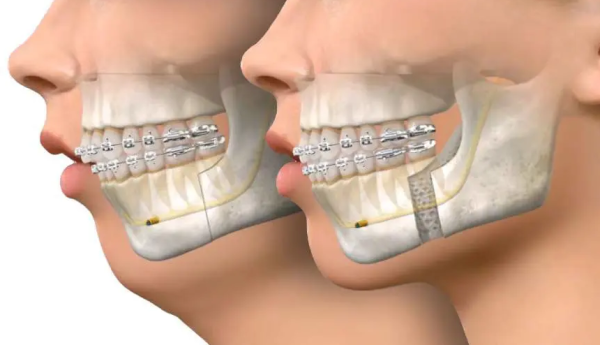
One of the best-known procedures in this field is orthognathic surgery, or corrective jaw surgery. It is used when the upper jaw, lower jaw, or both are positioned in a way that affects the bite, chewing, speech, breathing, or overall facial balance. Jaw surgery may also be recommended for certain congenital conditions, facial injuries, tumors, infections, or problems affecting the temporomandibular joint.
Oral and maxillofacial surgeons receive specialized surgical training to manage conditions affecting the mouth, jaws, and face. Depending on the patient’s condition, treatment may also involve other specialists, including orthodontists, ENT specialists, plastic surgeons, dentists, or other medical professionals.
It is important to note that not every facial cosmetic procedure is considered maxillofacial surgery. Procedures such as a facelift or some forms of facial contouring may instead be performed by plastic surgeons. The appropriate specialist depends on the patient’s medical condition and the procedure being considered.
If you are considering face or jaw surgery in Iran, send us your medical records, recent imaging, and photographs where appropriate. Our team can review your case and help you understand the next steps.
Common Types of Face and Jaw Surgery
The term face and jaw surgery includes several different procedures. The recommended treatment depends on the patient’s diagnosis, anatomy, medical history, and treatment goals.
Orthognathic (Corrective Jaw) Surgery
Orthognathic surgery is performed to reposition the upper jaw, lower jaw, or both when the jaws do not align properly. It may help improve an abnormal bite and can also affect facial symmetry and appearance.
Jaw surgery is often planned together with orthodontic treatment. Braces may be required before surgery and may continue afterward while the teeth and bite are being fine-tuned.
Facial Trauma and Fracture Surgery
Injuries to the face can result in fractures of the jaw, cheekbones, eye socket, or other facial bones. Depending on the location and severity of the injury, surgery may be required to restore the position and function of the affected structures.
Temporomandibular Joint (TMJ) Surgery
The temporomandibular joints connect the lower jaw to the skull. Some TMJ disorders can be managed without surgery, but in selected cases, a surgical procedure may be considered when symptoms or structural problems cannot be adequately treated with conservative approaches.
Reconstructive Maxillofacial Surgery
Reconstructive procedures may be used to restore facial structures affected by trauma, congenital conditions, tumors, or other diseases. Treatment may involve reconstruction of bone and soft tissue and can sometimes require a multidisciplinary medical team.
Dental and Jaw Surgery
Oral and maxillofacial surgeons may also perform certain surgical dental procedures, including complex tooth extractions, dental implant-related surgery, bone grafting, and treatment of some cysts or tumors involving the jaws.
Surgery for Selected Sleep-Related Breathing Problems
In certain patients with obstructive sleep apnea or other upper-airway problems, surgical treatment may be considered when appropriate. The type of surgery depends on the underlying cause and the patient’s anatomy and should be determined following a specialist assessment.
Who May Need Jaw or Maxillofacial Surgery?
A person may be referred for maxillofacial or corrective jaw surgery because of:
-
Significant jaw misalignment or an abnormal bite
-
Difficulty chewing or speaking related to jaw position
-
Certain facial asymmetries or skeletal deformities
-
Facial fractures and other traumatic injuries
-
Temporomandibular joint problems that require surgical treatment
-
Congenital facial or jaw abnormalities
-
Certain tumors, cysts, or infections affecting the jaws or facial structures
-
Selected airway or sleep-related breathing problems
-
Complex dental or implant-related surgical needs
Not every patient with a jaw or facial problem needs surgery. In many cases, the first step is a detailed examination and appropriate imaging to determine whether surgical treatment is necessary.
What to Expect Before Jaw Surgery in Iran
Before treatment, the surgeon needs to evaluate the patient’s medical history, facial structure, dental condition, bite, and treatment objectives.
Depending on the procedure, the assessment may include:
-
Clinical examination
-
Dental and orthodontic assessment
-
X-rays or other imaging studies
-
3D imaging or CT scans when required
-
Evaluation of the temporomandibular joints or airway when clinically indicated
-
Review of previous medical or dental records
For international patients, sending recent medical records, dental images, photographs, and previous test results before traveling can help the medical team determine which specialist consultation and investigations may be required.
Recovery After Jaw Surgery
Recovery depends considerably on the type and extent of surgery. Swelling, bruising, temporary discomfort, and difficulty eating are common after major jaw procedures, particularly during the early recovery period.
After corrective jaw surgery, patients may initially need a liquid or soft diet before gradually returning to a more normal diet as healing progresses. The exact duration is different for each patient and should follow the surgeon’s instructions.
Some patients experience temporary numbness or altered sensation around the lips, chin, or other areas of the face following jaw surgery. The duration and extent of these symptoms vary and should be discussed with the surgeon before treatment.
Regular follow-up appointments are important so that the surgical team can monitor healing and make sure the bite and jaw position are progressing as planned.
How Much Does Face and Jaw Surgery Cost in Iran?
The cost of face and jaw surgery in Iran depends on several factors, including:
-
The exact type of surgery
-
The complexity of the case
-
Whether one or both jaws require surgery
-
The surgeon’s experience and specialization
-
Hospital and anesthesia fees
-
Diagnostic imaging and laboratory tests
-
Orthodontic treatment, when required
-
The patient’s accommodation and other medical travel services
Because maxillofacial surgery is highly case-dependent, it is usually not possible to provide an accurate price without reviewing the patient’s medical information.
Contact Iran Medical Tours for a free initial consultation and a personalized cost estimate.
Why Iran Medical Tours?
Choosing a medical provider abroad involves more than finding a surgeon. International patients may also need help with medical appointments, hospital coordination, accommodation, transportation, interpretation, and other aspects of their treatment journey.
Iran Medical Tours helps international patients coordinate their medical treatment in Iran by connecting them with appropriate specialists and treatment centers according to their individual needs. Our team can assist with the medical coordination process, appointment scheduling, accommodation, airport transfers, interpretation, medical visa arrangements, and follow-up during the patient’s stay.
Our goal is to make the treatment journey more organized and convenient while helping each patient receive a treatment plan based on their individual medical needs.
Contact us for a free consultation and to discuss your case with our medical coordination team.
You May Also Want to Know About:
-
Iran Medical Visa
-
Cosmetic Dentistry in Iran
-
General Process of Medical Treatment in Iran
-
Plastic Surgery in Iran
-
Rhinoplasty in Iran
Frequently Asked Questions about Face and Jaw Surgery in Iran
1. What is the best age for jaw surgery?
There is no single ideal age for every type of facial or jaw surgery. For corrective jaw surgery, treatment is generally planned after facial growth is sufficiently complete. The appropriate timing depends on the patient’s development, dental condition, jaw problem, and treatment plan.
2. How long does it take to recover from jaw surgery?
Recovery varies according to the procedure and the individual. Initial swelling and dietary restrictions may last for several weeks, while complete bone healing and final adjustment of the bite can take considerably longer. Your surgeon will provide a personalized recovery timeline.
3. Is jaw surgery painful?
Some pain and discomfort are expected after major jaw surgery. Swelling and a feeling of tightness are also common during the early recovery period.
Your surgical team can provide medication and postoperative instructions to help control discomfort. The level of pain varies depending on the procedure and the individual patient.
4. Does jaw surgery leave a scar?
Many corrective jaw procedures are performed through incisions inside the mouth, so visible facial scars may be avoided.
However, this does not mean that every jaw or maxillofacial operation is completely scar-free. Depending on the surgical technique and the area being treated, a small external incision may sometimes be necessary. Your surgeon should explain the expected incision sites and scarring before the procedure.
5. Does jaw surgery change the appearance of the face?
Yes, corrective jaw surgery can change facial appearance because it changes the position of the underlying jaw bones.
However, the primary goal of orthognathic surgery is usually to correct a functional or structural problem, such as an abnormal bite. Improvements in facial balance and symmetry may occur as a result of repositioning the jaws.
Patients considering surgery primarily for cosmetic reasons should discuss their expectations carefully with the surgeon to determine which procedure is most appropriate.
6. Do I need braces before or after jaw surgery?
Orthodontic treatment is commonly part of the treatment plan for corrective jaw surgery. Braces may be used before surgery to prepare the teeth and after surgery to fine-tune the bite.
The exact orthodontic plan, however, depends on the patient’s dental condition and the type of jaw problem being treated. An orthodontist and maxillofacial surgeon may work together to plan the treatment.
7. Will I lose weight after jaw surgery?
Some patients lose weight temporarily because eating can be difficult during the early recovery period. However, the amount varies from person to person and should not be considered a predictable result of jaw surgery. Maintaining adequate nutrition and following the recommended diet are important during recovery.
8. How long will I need a liquid or soft diet after jaw surgery?
There is no universal timeframe. Some patients begin with liquids and gradually progress to soft foods as healing allows. The duration depends on the surgical technique, bone healing, fixation, and the surgeon’s postoperative instructions.
9. Can jaw surgery improve breathing?
In selected patients, repositioning the jaws can affect the airway and may improve certain breathing problems. Whether this is an appropriate goal for a particular patient depends on the underlying condition and requires specialist assessment.
10. Is jaw surgery performed under general anesthesia?
Major corrective jaw and maxillofacial procedures are generally performed under general anesthesia in a hospital setting. The type of anesthesia depends on the procedure and the patient’s medical circumstances.
11. What are the possible risks of face and jaw surgery?
As with other surgical procedures, maxillofacial and jaw surgery can involve risks. Depending on the procedure, possible complications may include:
-
Pain and swelling
-
Bleeding
-
Infection
-
Temporary or, less commonly, persistent changes in sensation
-
Bite or alignment problems
-
Scarring where external incisions are required
-
Anesthesia-related complications
-
The need for additional treatment or revision in some cases