Smile Pro Laser Treatment In Iran With VISUMAX 800

Smile Pro Laser Treatment In Iran With VISUMAX 800

Smile Pro Laser Treatment, an enhanced version of the Relex Smile and Femto-Lasik methods, is a laser eye surgery technique used to correct refractive errors such as myopia and astigmatism. 

SMILE PRO Laser Treatment Procedure

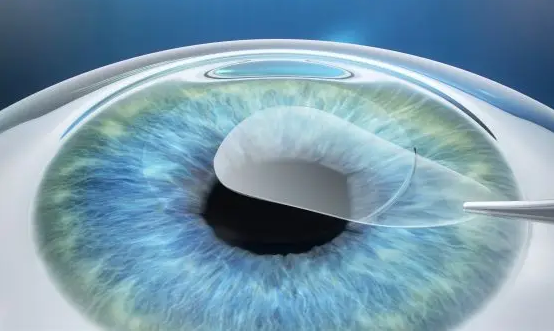
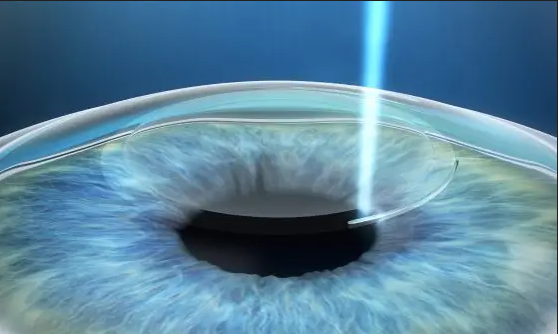
The cornea has a five-layer structure, but the SMILE Pro surgery focuses on the central layer, known as the stroma. During this procedure, a computer-controlled laser creates a precisely shaped, lens-like disc in the stroma called a lenticule. The lenticule is customized to correct the specific shape of the cornea. Next, a small keyhole incision is made with the laser, and the lenticule is removed. Once the procedure is complete, the cornea is reshaped to optimize focus and enhance vision in the long term.
Surgeons worldwide have adopted SMILE Pro as an effective laser eye surgery procedure. The keyhole technique ensures minimal interference with the corneal nerves, allowing for a quick recovery. This helps prevent long-term dry eye problems and maintains corneal strength. In the SMILE Pro, new generation treatment, robotic arms are used for surgery, so patients do not need to enter any tunnel or device. This method makes SMILE Pro laser surgery easily applicable even for patients with claustrophobia. Additionally, the critical laser phase of the surgery is completed in as little as 10 seconds, significantly improving patient compliance with the procedure. Considering all these advanced laser treatments, the SMILE Pro method provides a fast, precise, safe, and effective way to correct refractive errors. This method significantly reduces post-treatment concerns for both patients and doctors.

What Are the Advantages of SMILE PRO Laser Treatment?

  • Short treatment duration of just a few seconds
  • Suitable for patients with dry eyes
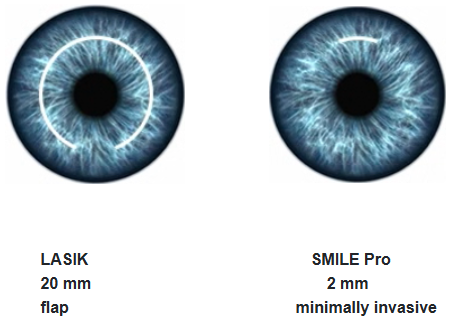
  • Keyhole technology (2 mm incision) that allows fast healing
  • Effective for myopia up to -10 diopters
  • Suitable for the treatment of astigmatism
  • Suitable for patients with thin corneas; maintains corneal stability
  • No corneal flap formation
  • Preservation of corneal nerves and prevention of dry eyes
The biggest advantage of this surgery is that the cornea’s biomechanical resistance is minimally affected by the procedure. It is even safer due to the absence of LASIK flap complications and the preservation of the cornea’s biomechanical structure.
Therefore, it is particularly suitable for athletes, professions with a risk of trauma such as police and military personnel, individuals who use screens extensively, and those with dry eye symptoms.

Small incision instead of flap: The ReLEx SMILE procedure is gentler on the cornea compared to LASIK.
smilepro1

How is SMILE PRO Laser Treatment Performed?

Personalized Femto LASIK has been used for about 20 years as a scientifically accepted procedure for refractive errors. However, SMILE Pro takes keyhole technology a step further, making laser eye treatment safer, more precise, and faster. A 3D disc (lenticule) is created within the cornea and removed through a small opening of just 2 mm, designed to correct your specific refractive error.
During this process, corneal stability is maintained, and tear film production is barely affected. Therefore, SMILE Pro is particularly ideal for patients with dry eyes or those who cannot use contact lenses.

1-) Creation of a refractive lenticule and making a small incision in the intact cornea, usually no larger than two to three millimeters.

tedavi smilepro

2-) In the second step, the lenticule is removed through the created incision. Since no flap is cut during this procedure, there is only minimal intervention to the cornea’s biomechanics.

tedavi smilepro2

3-) During the rehabilitation process, the removal of the lenticule enables the cornea to achieve the desired refractive change.

tedavi smilepro3

Frequently ask questions About Smile Pro Eye Surgery

1. What is Smile Pro eye surgery? 

Smile Pro (Small Incision Lenticule Extraction) eye surgery is an advanced, minimally invasive laser vision correction procedure. Unlike LASIK, it employs a single femtosecond laser to create and remove a tiny disc of tissue, called a lenticule, through a small incision to reshape the cornea and improve vision.
The surgery is bladeless, painless, and designed to correct common vision problems like myopia (short-sightedness), hyperopia (long-sightedness), and astigmatism. It offers precise results with a shorter recovery time when compared to traditional methods.
During this process, corneal stability is maintained, and tear film production is barely affected. Therefore, SMILE Pro is particularly ideal for patients with dry eyes or those who cannot use contact lenses.

2. How does it differ from LASIK or PRK? 

While LASIK and PRK are effective for vision correction, Smile Pro offers a less invasive alternative with unique advantages.
  • LASIK: Requires creating a corneal flap, leaving an open wound that can take longer to heal and is prone to complications.
  • PRK: No flap is created, but the outer layer of the cornea is removed, leading to longer recovery and discomfort.
  • Smile Pro: Creates a small incision (around 2-4mm), leaving your cornea more stable and resulting in minimal discomfort and quicker recovery.
Smile Pro particularly benefits those with a high prescription or thin corneas, as these individuals might not qualify for LASIK.

3. Am I a suitable candidate for Smile Pro? 

Candidates for Smile Pro should typically meet the following criteria:
  • Be at least 18 years old (to ensure vision has stabilised).
  • Have mild to severe myopia (up to -10 dioptres), hyperopia ( up to +7D), or astigmatism (up to 5 dioptres).
  • Not have conditions like keratoconus (a progressive thinning of the cornea), autoimmune diseases, or severe dry eye syndrome.
An evaluation by an eye-care professional can determine whether Smile Pro is the right fit for your eye anatomy and prescription.

4. What are the risks or side effects of Smile Pro surgery? 

Smile Pro is generally considered safe, but like any surgical procedure, it carries some risks:
  • Temporary dryness of the eyes.
  • Mild visual disturbances, such as halos or glare, particularly during the healing phase.
  • Rare cases of infection or inflammation.
The risk of severe complications is considerably lower compared to other refractive surgeries due to the procedure’s minimally invasive nature. Your surgeon will discuss potential complications during your pre-operative consultation.

5. How long does the procedure take? 

The Smile Pro procedure is remarkably quick, typically lasting 10-15 minutes per eye.
The actual laser use takes only about 10 seconds per eye, and most of the time spent is on preparation and ensuring proper positioning. You’ll be in and out of the clinic within a couple of hours, and many patients report minimal downtime post-surgery.

6. Is the recovery process painful? 

Not at all. Smile Pro is designed to be a painless experience.
Most patients experience only mild discomfort, such as slight dryness or sensitivity, for a day or two after the surgery. The small incision made during the procedure enables faster healing, allowing most individuals to resume normal activities, including work, the next day. However, it’s recommended to avoid strenuous activities and heavy screen time for at least a week.

7. When will I see the results? 

Vision improvement is almost immediate. Most patients notice significant enhancement within the first 24 hours post-surgery.
Individuals are typically able to enjoy their enhanced vision within a short time, making it an attractive option for those with demanding schedules.

8. Does Smile Pro provide permanent results? 

Yes, the reshaping of the cornea during Smile Pro surgery is permanent. However, it’s important to note that natural changes in the eyes due to ageing, such as presbyopia or cataracts, can still affect your vision later in life.

9. How affordable is Smile Pro eye surgery? 

Smile Pro is priced competitively with LASIK or other vision correction procedures. In Iran, the treatment typically costs around 2700 USD for both eyes. Pricing can vary based on the clinic, the surgeon’s expertise and the scope of pre-and post-operative care included.
While it may be an investment upfront, the long-term savings on glasses, contact lenses, and related products often justify the expense over time. Many clinics also offer financing options to make the procedure more accessible.

10. What should I expect during my consultation? 

The consultation process for Smile Pro involves several important tests and discussions to ensure suitability. Here’s what to expect:
  • Comprehensive Eye Exam: Assessing your eye health, corneal thickness, and prescription.
  • Vision Goals Discussion: Understanding your expectations from the surgery.
  • Pre-Op Instructions: Guidance on how to prepare for surgery (e.g., discontinuing contacts).
The surgeon will also explain the procedure in detail, walk you through any risks, and answer your specific questions to ensure you’re fully informed before moving forward.
Still have concerns? Schedule a consultation with a certified eye-care professional to customise your treatment plan. If you’re ready to take the leap, Smile Pro could be the life-changing solution you’ve been looking for—giving you freedom from glasses and contact lenses in the easiest and safest way possible!
Menu
error: Content is protected !!